
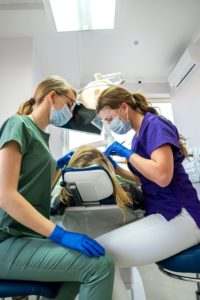

A survey has revealed that the proportion of children with bad teeth has dropped over recent years.
The NHS Dental Epidemiology Programme, carried out by John Moores University, Liverpool, found that although the percentage of children with missing, filled or decayed teeth dropped from 2001’s figure of 37% to 33%, there were still wildly varying differences from region to region.
For example, the study found that 13% of children in Southwark, London, had such dental issues whilst 56% of kids from Knowsley in the North West of England had bad teeth.
The survey says that the results may have been influenced by fluoridated drinking water in certain parts of the UK.
The Deputy Chief Dental Officer for the Department of Health welcomed the results, commenting:
“Strategies which support eating healthily, tooth brushing twice a day with a fluoride toothpaste and following the personal advice offered by dental professionals offer the best chance of securing further improvements in dental heath and a reduction in inequalities.”
However, Minister for Health, Lord Howe, acknowledges that there is room for improvement. He stated:
“Even though there have been improvements in children’s oral health, there is more that can and should be done to tackle persistent inequalities.
“The NHS White Paper sets out our commitment to improving the oral health of schoolchildren, and 2e are reviewing the current dental contract closely looking at changes that might support this.”
It is thought that parents increased awareness about child obesity and their child’s diet plan may have a part to play in the improvement, as they are more likely to encourage healthy snacks and drinks instead of sugary ones.
